
How to Check for a Warrant in Robertson County
There is no public full-warrant roster in Robertson County. Start with the free online court-record portal. Pick Circuit or General Sessions, then the Criminal or Civil department that fits. Know what you are looking at, though. It is a case and party search, not a warrant-status screen, and the portal itself warns that online results are incomplete and not the official record. For a personal status question, call the clerk tied to the case or citation. Circuit and Criminal matters run through the Circuit Court Clerk, while misdemeanor cases, county traffic, and THP citations usually land in General Sessions. A city citation belongs with that municipal court. Have the legal name and case details ready, then ask what identity proof the clerk needs.
- Search the county portal by the correct court and department.
- Call the issuing clerk if a result is missing or unclear.
- For a city ticket, use that city court’s own route.
- Ask the Sheriff’s Office about service; its public page has no search form.
- For a legal-status or surrender decision, speak with a Tennessee attorney.
Robertson County Warrant Search Portal Is a Case Index
The portal lets you pick a court and department, but it offers no public active-warrant field, no status timestamp, and no download of all outstanding process. A name match can point you to an office. Only the clerk can confirm whether a case carries a capias, bench warrant, summons, or other order. Robertson County's historical archive is limited too. Its working indexes cover older records, not current warrant data. The Sheriff's public Warrant Division page describes service and management work, but no roster and no direct personal-confirmation line exists there. Read the Circuit Court Clerk's portal notice before relying on any online result.
Types of Warrants in Robertson County
What kind of warrant depends on the court and the reason it issued in Robertson County. An arrest warrant follows a magistrate's probable-cause review of a complaint. A bench warrant or capias usually trails a missed appearance or other noncompliance. A search warrant covers named places or items, not an arrest. General Sessions also handles civil warrants, which are not arrest warrants.
| Warrant Type | How It Arises | Who Issues It |
|---|---|---|
| Arrest warrant | Complaint and probable-cause finding | Magistrate or issuing court |
| Bench warrant / capias | Missed setting or court noncompliance | Court controlling the case |
| Search warrant | Judicial authorization to search listed places or items | Judge or magistrate |
| Civil warrant | Civil claim or detainer process | General Sessions within its jurisdiction |
Robertson County Warrant Search Has No Public Statewide Match
Tennessee's NCIC and criminal-justice portal stay locked to authorized users, and no public statewide active-warrant search exists. The TBI Felony Offender Information lookup covers felony-offender records, and a criminal-history check serves yet another purpose. Neither works as a live warrant roster. That matters when someone has moved, when a case started in another county, or when a name is missing from the Robertson County portal. The right clerk is always the one for the issuing court. A public search cannot reach restricted systems, sealed records, or every city docket. See the TNCRIM access notice and TBI FOIL for the official boundaries.
What a Robertson County Warrant Record Shows
The Robertson County portal publishes no standard warrant-result layout. The state Administrative Office of the Courts' blank capias form shows common court fields, but it is only a form example. Completed records can hold sensitive details no public summary should copy.
| Case number | No public format verified; ask the issuing clerk for the case reference. |
|---|---|
| Issuing court | Names the court that controls the process. |
| Charge or reason | May describe the complaint or missed court obligation. |
| Bond and appearance | The blank AOC form has bond and initial-appearance fields; no county schedule is posted. |
| Officer return | May record executed or not found, with date and officer fields. |
| Current status | Confirm with the issuing court; the portal does not guarantee live warrant status. |
Robertson County Service Has No Public Count
The Sheriff's Warrant Division manages and serves civil and criminal process and handles Orders of Protection and Bond Conditions. Its page reports more than 12,000 warrants received for execution each year. That is a workload figure. It does not tell you how many are active in Robertson County right now.
There is no public refresh schedule, status filter, or searchable export. The Robertson County Warrant Division page explains the office's role, not a personal lookup.
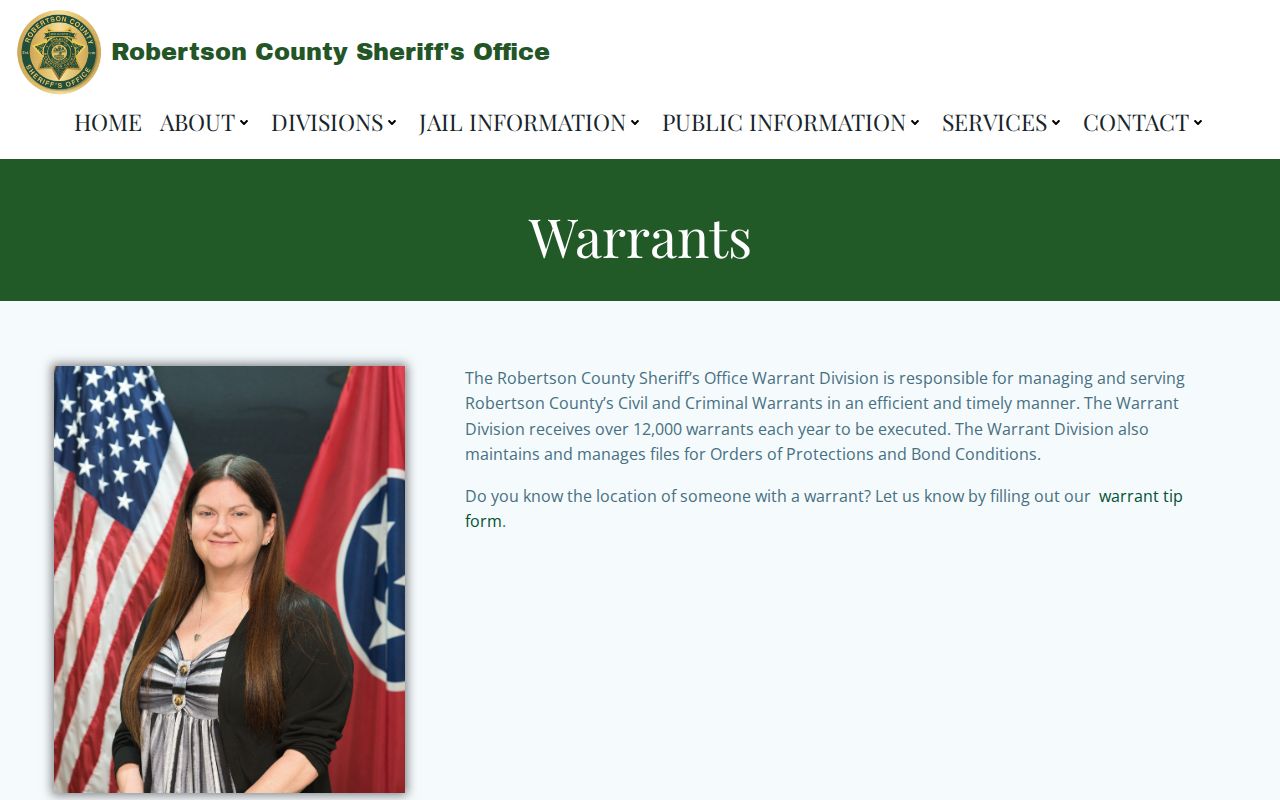
Use the official page to learn the division's scope, then ask the issuing court in Robertson County about a specific record.
Who Issues and Serves Robertson County Warrants
Courts and magistrates issue process in Robertson County. The Sheriff's Office and city police serve it within their roles. Circuit and Criminal Court handles felony matters in the 19th Judicial District. General Sessions is the main lower criminal and traffic court, and municipal judges take city ordinance matters. The clerk identifies the case record; the serving office answers execution questions.
Robertson County Sheriff’s Office
507 South Brown Street
Springfield, TN 37172
(615) 384-7971
Robertson County Clerks Hold Different Cases
Each Robertson County clerk holds a different slice of the work. The Circuit Court Clerk keeps felony and circuit filings. The General Sessions Clerk handles misdemeanor criminal matters, county and THP traffic citations, civil warrants, and related lower-court records. Juvenile matters carry separate access limits. Each municipality keeps its own citation and ordinance docket. County office references can show more than one courthouse address: the Circuit Clerk's page lists its public counter, and the county court page also identifies a courthouse office location. Call before a filing or trip, and ask which clerk owns the specific case. The Tennessee AOC clerk directory lists county and municipal clerks alike.
Robertson County route: court record → issuing clerk → Sheriff’s Office or city police for service questions.
What to Do If You Have a Robertson County Warrant
Suspect a Robertson County court has issued process in your name? Start there. Ask the clerk which court holds the case and what it has entered so far. Robertson County posts no walk-in surrender schedule, no bond chart, and no public motion-to-recall form. A Tennessee attorney can still look the case over and lay out the sensible moves, from asking for a new court date to filing a motion, arranging bond, or following whatever surrender instructions the responsible office gives you.
Important: Do not treat a blank online result as clearance. Ask the issuing court to confirm status, and get legal advice before deciding how to appear.
Robertson County Has No Posted Bond Window
The Robertson County detention facility publishes visitation and commissary details, and that is where its public information stops. No bond schedule appears on the county pages, no payment window, no online bond form, and no posted walk-in surrender hours. General Tennessee clerk guidance cannot fill a local gap like that. Pulling a bond amount from another county or a third-party listing would be a guess, not an answer. For a specific case, call the issuing clerk or a lawyer first. If detention may be involved, phone the facility for current instructions and confirm where a person should report. Keep your case number, citation, or court notice close at hand. County source: Robertson Detention information.
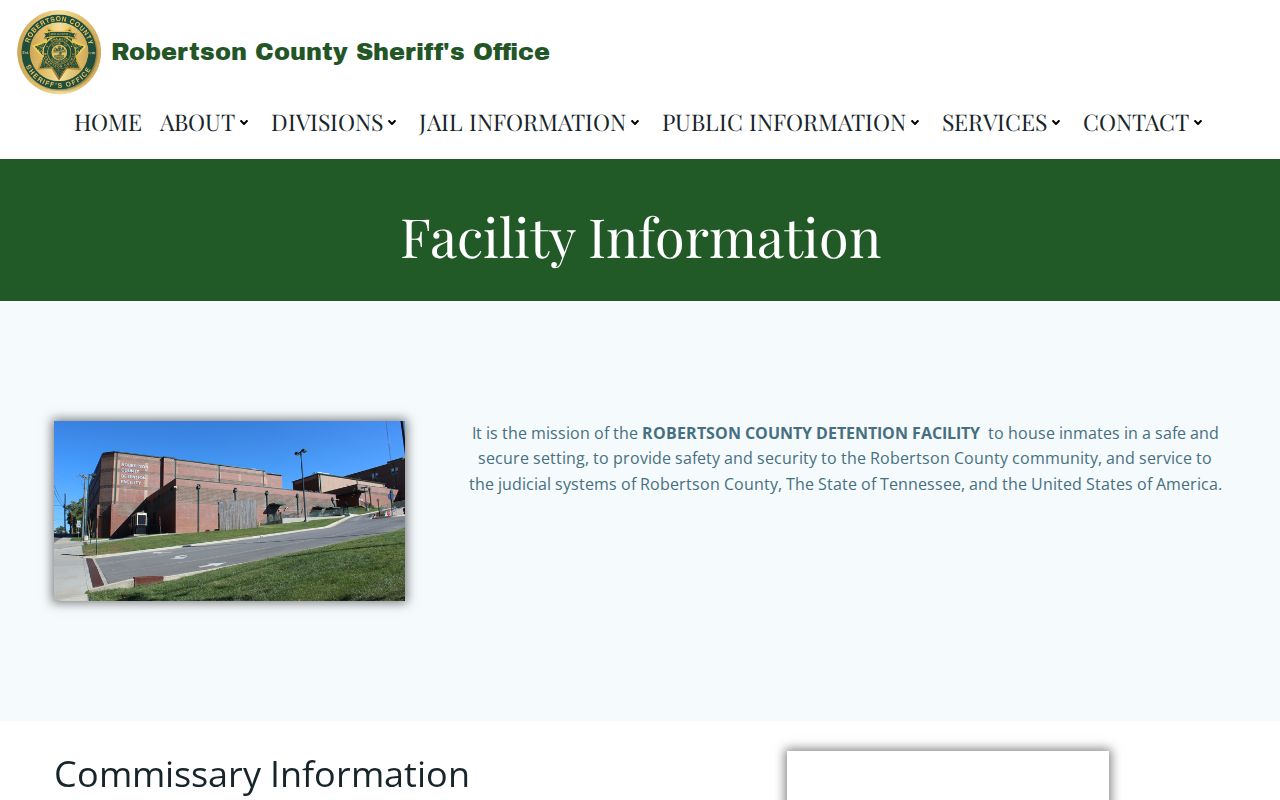
The jail page covers visitation and commissary details, not bond terms or warrant confirmation.
Public Access to Robertson County Warrant Records
The Tennessee Public Records Act governs access to records that already exist, within its listed exceptions. It does not force Robertson County offices to build a fresh "all active warrants" spreadsheet or hand out restricted material. Juvenile records carry special limits of their own. Sealed, expunged, protected, or active-investigation details may simply never show up in an online result.
Key Rules:
T.C.A. § 10-7-503 - access applies to existing public records, with lawful exceptions and redactions.
T.C.A. § 10-7-505 - provides a judicial review route for a denied records request.
T.C.A. § 37-1-153 - juvenile court records have statutory confidentiality limits and exceptions.
Robertson County Requests Must Name a Record
A TPRA request works best when it names something real. That could be a public procedure, a blank form, a fee schedule, or a specified docket record. Say which office holds it, identify the record type, add a case number or date range when known, and state how you want it delivered. Agencies have no duty to create a new record or compile a warrant roster they never kept. The Robertson County Sheriff's Records Division publishes no request form or fee schedule on its page, so ask the custodian for the current process and a copying estimate. One caution: a records request is fine for a policy or a copy, but it is not the fastest route to a case-status answer. The Tennessee Comptroller TPRA guidance explains the response framework offices follow.
Robertson County Tips Are Not Personal Checks
The Robertson County Sheriff's Most Wanted page is a curated public-safety list, not the full active-warrant record. Its tip form invites the public to share what they know about a person's location. Tips are confidential. The form is not monitored around the clock, though, and it is not the place to check your own status, request a surrender time, or send sensitive identity details. For an emergency, call 911. The published dispatch number, (615) 384-4911, is a tip route tied to the program, not a personal warrant-confirmation line for Robertson County callers. Never approach anyone shown on an official list. Official sources: Most Wanted and confidential warrant tips.
Warrant Records by City in Robertson County
Robertson County's five largest incorporated places each run their own municipal route. A city ordinance or traffic citation can stay outside General Sessions entirely, so read the court name on the paper you were handed. That detail matters most in White House and Millersville, which cross into Sumner County and can leave the issuing county in question. The 2020 Census figures below are population context, not warrant counts. The Census TIGERweb incorporated-place table is the source for that ranking.
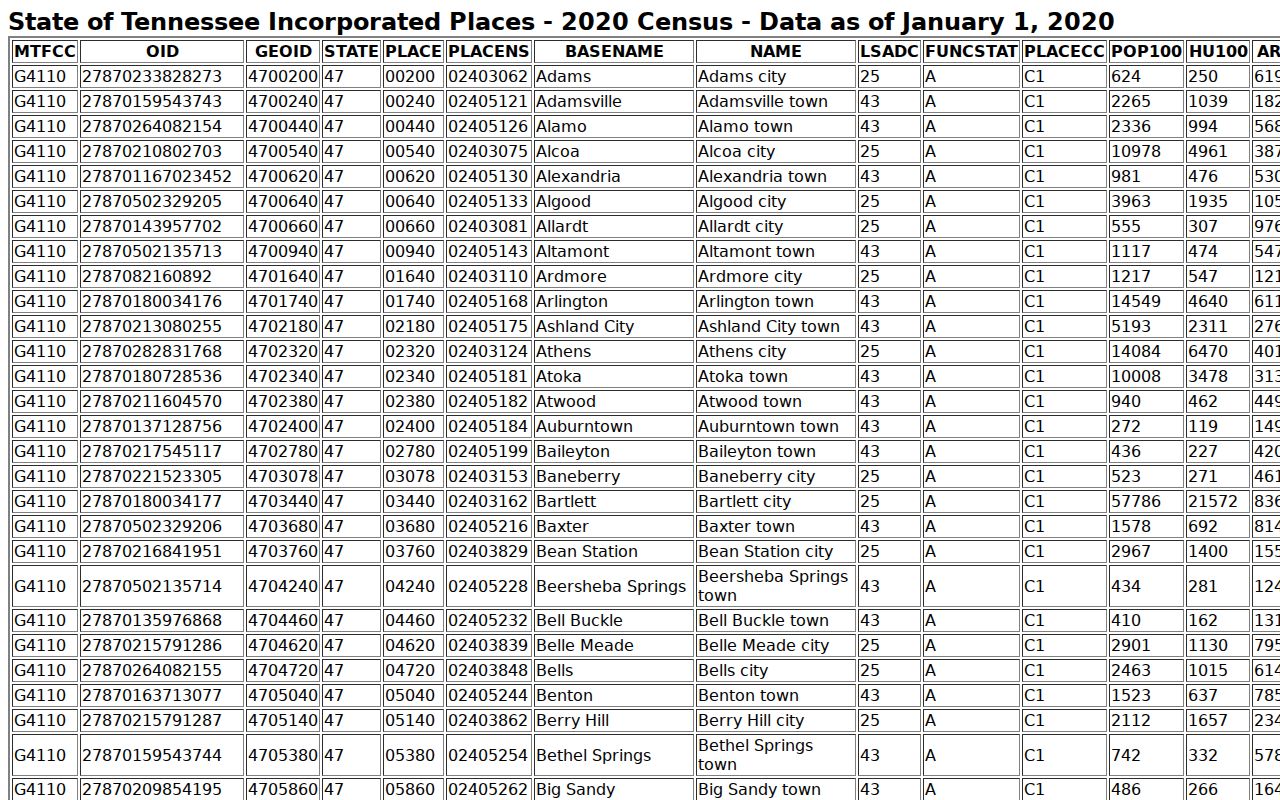
Robertson County reference pages are ordered by population. That number says nothing about case volume or warrant activity in any city.
Springfield Warrant Records
18,782 residents · city court and police records remain separate from county cases.
White House Warrant Records
12,982 residents · the city spans Robertson and Sumner Counties.
Greenbrier Warrant Records
6,898 residents · municipal court and police share a city location.
Millersville Warrant Records
6,299 residents · ask which county and court issued the process.
Coopertown Warrant Records
4,480 residents · the police clerk also handles municipal court citations.